
Role of Technology and Innovation in Accelerating Design, Quality Improvement & Cost Reduction in the Metals and Minerals Industry
Date: Friday, 3 June 2022 | Time: 1500 – 1700 Hrs
Location: CII Virtual Platform
Powered by 

Background
The metal sector in India has a strong growth opportunity. The demand is transforming because of smart city projects, surge in infrastructure development, strong automotive sector growth and supportive government policies towards domestic production. India has a large reserve of iron ore, bauxite, chromium, manganese ore and other rare earth mineral salts. As per the National Steel Policy 2017, the crude steel production is forecasted to reach 255 MT by 2030-31. Government is also supporting the industry by allowing foreign direct investment in the steel and mineral industry. Between April 2000-December 2021, Indian metallurgical industries attracted FDI inflows of US$ 16.1 billion. The metal and mineral industry in India firmly on a growth trajectory and adopting new age technologies can be a key enabler to sustaining this growth.
The Indian metal industry is modern with state-of-the-art mills. It has always strived for continuous modernization of older plants and up-gradation to higher energy and operational efficiency levels. The industry is focusing on key emerging trends including digitalization (predictive maintenance, IoT, digital twin), sustainability (recycling, waste reduction and emission reduction), all of which can be predicted by simulation. The rate at which an industry innovates directly relates to its ability to implement the latest best practices with minimum effort and time. This directly impacts the ability of the industry to optimize, reduce downtime and ultimately reduce costs while maintaining the highest product quality and safety standards.
Today, simulation is helping companies address these challenges and remain competitive in the market by engineering innovation into their design and production process which increases quality, enhances reliability, and makes them more cost effective. The challenges that must be addressed for sustainable growth are listed below:

Environmental impact
Reduce downtime and operational maintenance
Prediction of product quality
Adoption of new materials
In today’s competitive and cost sensitive market, the cost associated with new product development and the service life history of the last product iteration decides the success of the latest products. Hence, it is a necessity to make sure that the product is robust and will have a trouble-free service life. With the rapid development of materials, the industry has the task of choosing from a wide variety of raw materials which meets requirements and is sustainable at the same time. Using simulation, companies have been able to reduce product development time, explore ideas to improve existing designs, make smart material choices, improve operational efficiency, and deliver better product maintenance during its service life.
Challenges in industry, the impact of digital revolution and its future
Role of simulation in product innovation, customization, and maintenance
Digital twins for predictive maintenance and operational efficiency
Sustainable materials
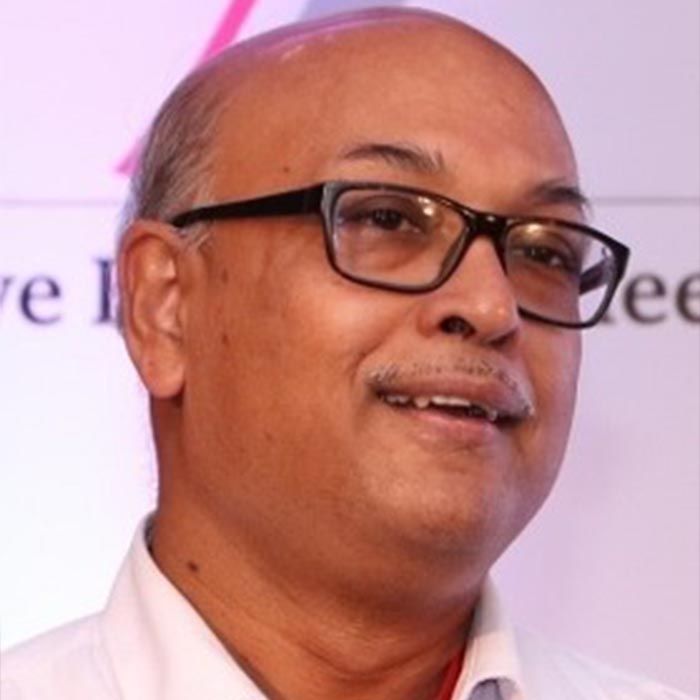
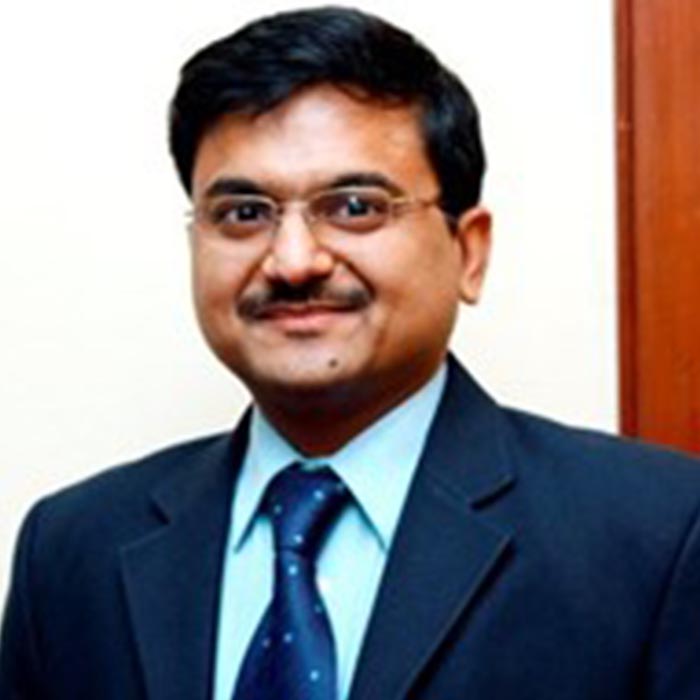
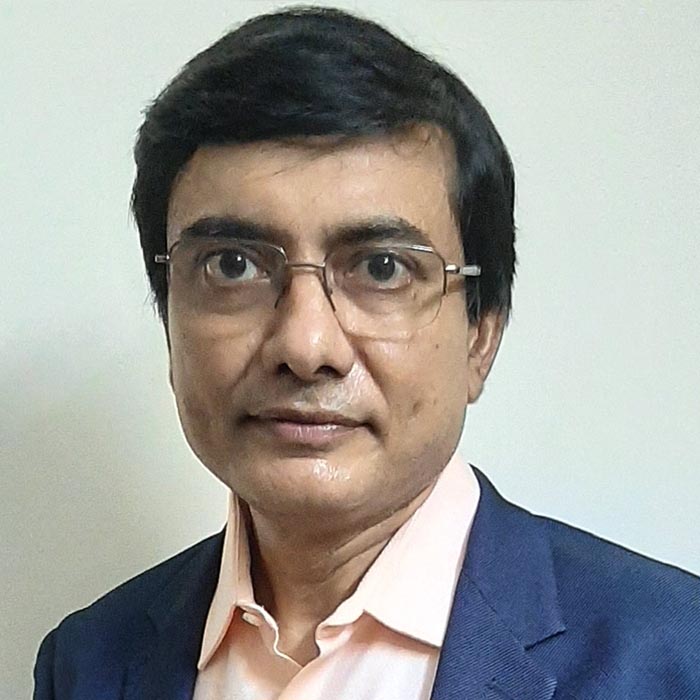
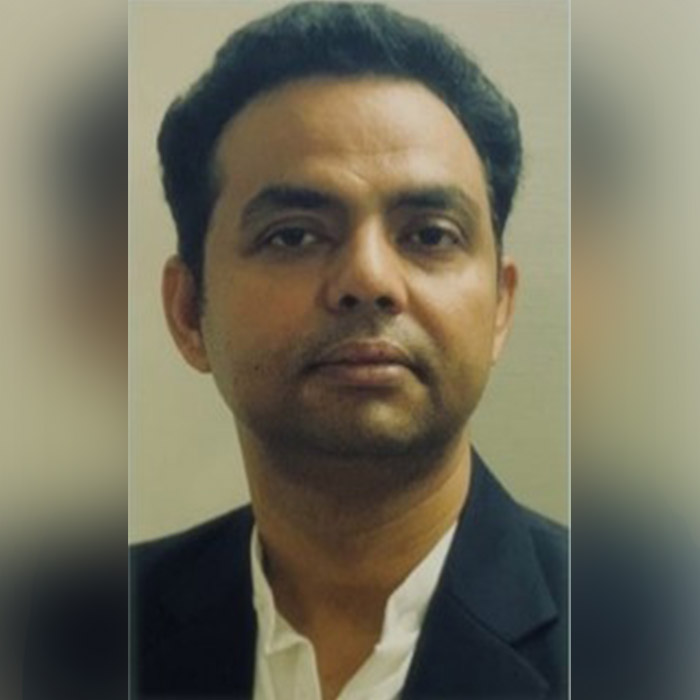
We will have industry experts, directors, industry leaders from the metal and mineral sectors participating in this event to provide unique insights and recommendations for Indian metal and mineral industries.
Who should attend the event:
MDs/ CTOs/VPs/Proprietors/Directors/Senior executives
R&D engineers / heads / managers
Design engineers / heads / managers
Product development engineers / heads / managers
Quality heads/managers/engineers
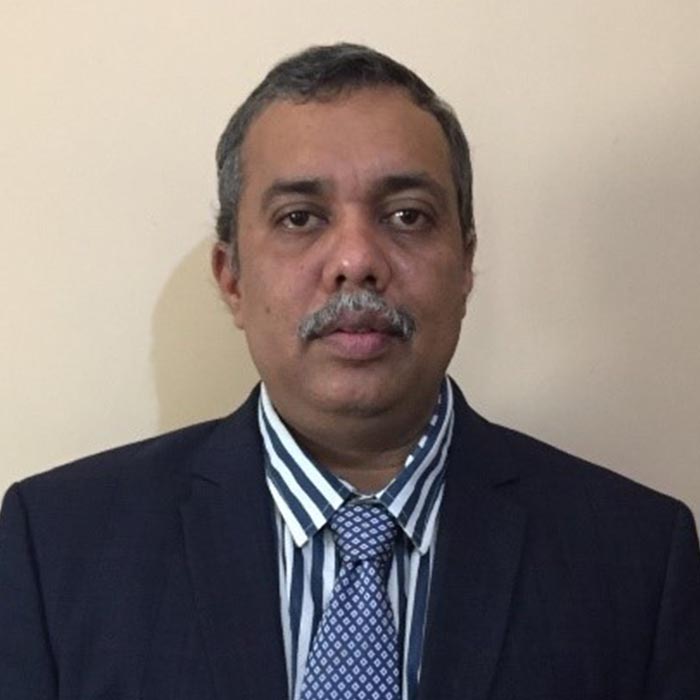
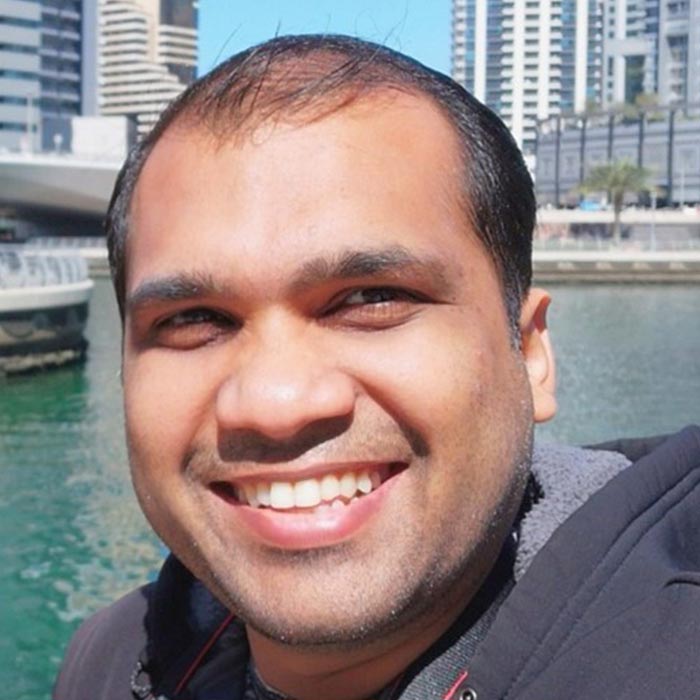
Our Speakers



Agenda
Technology Trends and Role of R&D in the metal and minerals industry
Engineering What’s Ahead for Metals & Minerals
(Focus on process optimization, efficiency and quality)
Challenges in innovation and process optimization in the metals & minerals industry.
Role of simulation for digital transformation and sustainability in the metals & minerals industry
For more details, Please contact Mamata Mondal @9831655510 | Email: mamata.mondal@cii.in

Quick Contacts:
Mamata Mondal
Phone: 91-33-22307727 /28 /1434 / 22303354
Mobile: +91-9831655510


Office:
CII Eastern Region Headquarters
6, Netaji Subhas Road
Kolkata-700001, West Bengal